





We spend so much time taking care of our bodies. We go to the gym, try to eat healthier, invest in skincare, and look for ways to feel and look our best. But how often do we give the same attention to our brains?
Between work deadlines, family responsibilities, financial pressures, and the never-ending demands of everyday life, it is easy to feel mentally drained. Some days, even getting through a simple to-do list can feel like running a marathon inside your head!
The good news? Conversations around mental wellness are evolving, and technology is opening new possibilities for understanding how our brains work.
One innovation getting people curious is Exomind, a brain stimulation technology developed by BTL, a European company known for its medical and aesthetic technologies. Designed around the concept of brain wellness, Exomind introduces a different approach to exploring mental well-being through non-invasive magnetic stimulation.
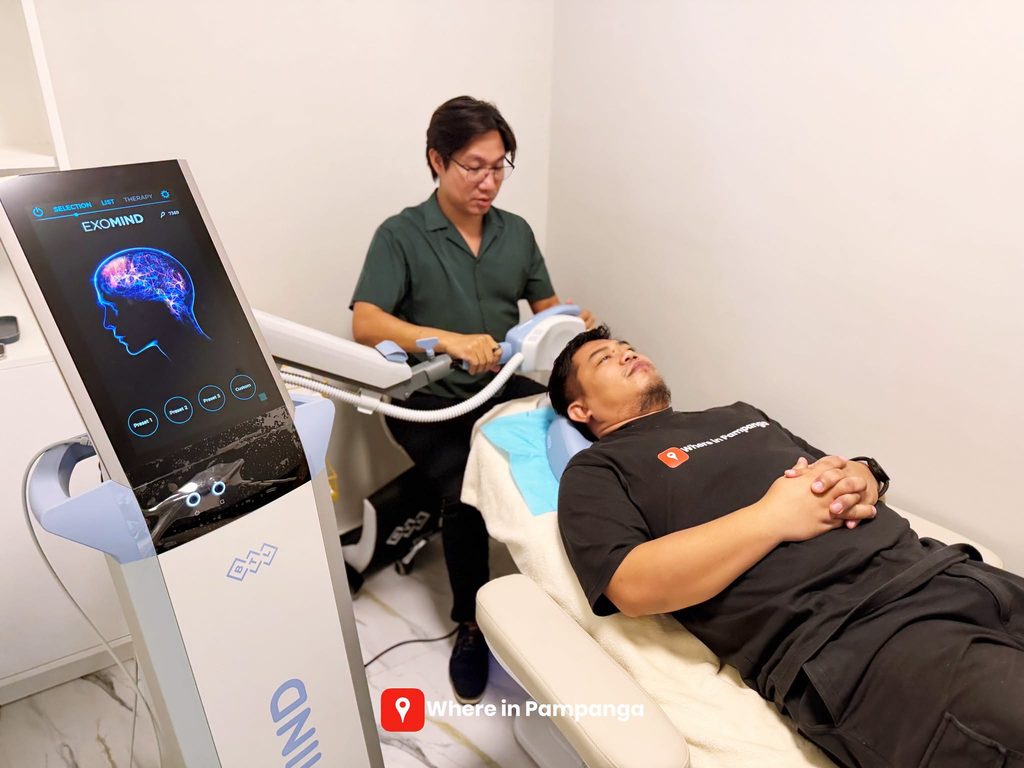
But what exactly does it do? How does it work? And could it play a role in the future of mental wellness?
We recently had the opportunity to learn more about this technology from the team behind it. If you have ever wondered whether there are new ways to support your mental well-being, here is what you need to know.
Why Brain Wellness Deserves More Attention
Let’s start with something we can all relate to: feeling mentally exhausted.
You might be physically fine, but your mind feels like it has been working overtime. You struggle to concentrate, find yourself worrying about several things at once, or feel overwhelmed by even the smallest responsibilities.
For busy professionals, entrepreneurs, parents, and students, these experiences can become part of everyday life.
However, mental wellness involves much more than simply finding ways to relax. It includes emotional well-being, the ability to manage everyday challenges, healthy relationships, adequate rest, and knowing when to seek professional support.
Our brains play a central role in nearly everything we do, from making decisions and processing emotions to learning new skills and remembering important information.
That is why brain health deserves a place in our overall wellness routine.
While good sleep, regular exercise, balanced nutrition, and stress management remain essential, scientific research is also exploring how different technologies may influence brain activity.
This is where Exomind enters the conversation.
Meet Exomind: A New Approach to Brain Stimulation
Exomind is a technology that uses magnetic stimulation to target specific areas of the brain. Rather than requiring surgery or placing instruments inside the body, it delivers stimulation externally through a device positioned against the head.
The treatment is associated with transcranial magnetic stimulation (TMS), a technique that uses magnetic pulses to induce electrical activity in targeted brain tissue.
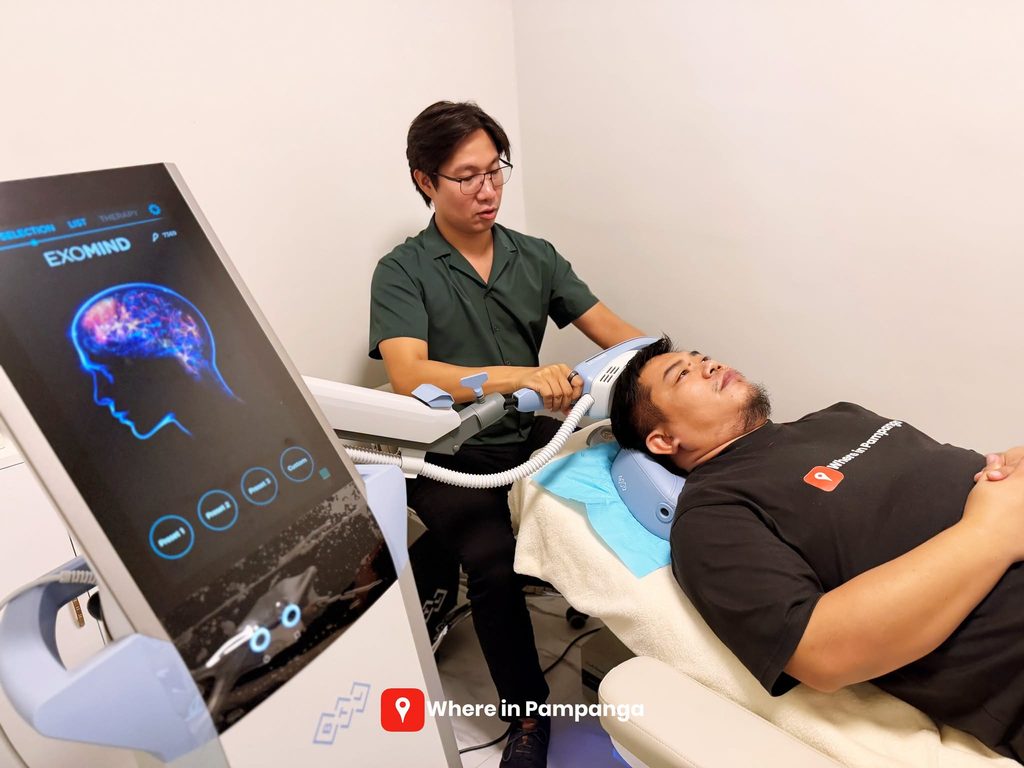
BTL presents Exomind as a technology focused on brain wellness, bringing attention to the potential relationship between brain activity, mental well-being, and cognitive function.
What makes this particularly interesting is that brain stimulation is not entirely new. TMS has already been studied and used in clinical settings, including for certain mental health conditions such as depression. Its effectiveness depends on the condition being treated, the stimulation protocol, and the specific device being used.
However, there is an important distinction to understand: evidence supporting TMS for particular medical conditions does not automatically prove that every brain stimulation device improves general wellness, concentration, or productivity.
For Exomind, it is worth asking providers about the research supporting its specific applications and the outcomes users can realistically expect.
The goal is not to believe every exciting claim about new technology. It is to understand what science can offer and make informed decisions about our health.
How Does Exomind Work? Understanding the Science in Simple Terms
The human brain contains billions of neurons, or nerve cells, that communicate through electrical and chemical signals. These connections help us think, learn, respond to our environment, and regulate many of our emotions and behaviors.
Magnetic stimulation works by generating magnetic pulses that can induce electrical activity in targeted areas of the brain.
Depending on the stimulation parameters, this activity can influence how particular neural circuits function. Researchers continue to study these effects to better understand when and how brain stimulation may be beneficial.
Think of it as a way of influencing specific brain circuits without surgery. It is a sophisticated process, but the basic principle is relatively easy to understand.
During a session, the device is positioned against the head and delivers magnetic stimulation. People may experience a repetitive tapping sensation while the treatment is underway.
During our conversation with the Exomind team, the session described lasted approximately 24 and a half minutes. This relatively short duration may be convenient for people with busy schedules, although treatment time and the number of sessions can vary according to the protocol.
And no, the treatment does not involve opening the skull, inserting needles into the brain, or undergoing surgery.
However, non-invasive does not mean completely risk-free. Depending on the device and treatment protocol, possible side effects may include headaches or scalp discomfort. TMS also carries a rare risk of seizures, so proper screening and professional supervision are important.
Before undergoing treatment, ask about the device’s indications, safety procedures, potential side effects, and whether it is suitable for your individual circumstances.
From Nervous to Curious: What Is the Experience Like?
Let’s be honest. Having a machine positioned against your head can sound intimidating!
During our conversation, one participant shared feeling kabado, or nervous, before trying Exomind. They were unsure what the sensation would be like and wondered whether it might feel electric or uncomfortable.
That reaction is understandable. When we hear about technology that works directly with the brain, it is natural to have questions.
But after experiencing the session, the participant described the sensation as gentle tapping rather than an electric shock. They also reported feeling relaxed afterward.
Personal experiences like this can help make unfamiliar technology feel less intimidating. Still, everyone’s experience is different, and one person’s positive reaction cannot guarantee the same result for everyone.
The most important thing is to feel comfortable asking questions before any treatment. A qualified provider should explain what will happen, what sensations you may experience, what benefits are supported by evidence, and what risks you should consider.
You deserve to feel informed and confident about your health decisions.
Who Might Consider Exomind?
One of the most encouraging aspects of the growing brain wellness conversation is the reminder that mental well-being deserves attention before we reach a point of complete exhaustion.
However, whether Exomind is appropriate depends on its specific clinical evidence, intended use, and your individual health needs.
Here are some people who may be interested in learning more about the technology.
1. Busy Professionals and Entrepreneurs
Running a business, managing a team, or handling multiple responsibilities can be mentally demanding. When your schedule is packed, it is easy to overlook rest and emotional well-being.
If you are curious about brain stimulation as part of a broader wellness approach, ask a qualified provider whether Exomind has evidence supporting your particular goals.
At the same time, do not underestimate practical habits such as taking regular breaks, setting boundaries, getting adequate sleep, and making time for activities that help you recharge.
You do not have to be productive every minute of the day to be successful.
2. People Interested in Cognitive Health
Memory, attention, learning, and decision-making are important parts of everyday life. Naturally, many people are interested in ways to maintain these abilities as they grow older or navigate demanding lifestyles.
Brain stimulation is an active area of scientific research, but the effects depend on the technology and the outcome being measured.
If improved focus or mental performance is your goal, ask for evidence specifically related to that outcome rather than assuming that stimulating the brain automatically produces better cognitive performance.
An informed approach helps you explore new possibilities without unrealistic expectations.
3. People Who Want to Prioritize Mental Well-Being
Taking care of your mental health is not a sign of weakness. It is an important part of taking care of yourself.
If you have been feeling overwhelmed, emotionally drained, or unusually stressed, consider starting with the basics: adequate rest, physical activity, supportive relationships, and time to decompress.
If your symptoms persist or begin interfering with your daily life, speaking with a mental health professional can help you identify the support you need.
Exomind may be worth discussing with a qualified provider if you are interested in learning about brain stimulation, but it should not replace established mental health care when that care is needed.
4. People Curious About New Wellness Technologies
You do not have to be an expert to be interested in scientific innovation.
Learning about technologies such as Exomind can help you better understand how researchers are exploring the brain and developing new approaches to health care.
The key is to remain curious while asking thoughtful questions. Find out what the treatment is intended to do, what clinical evidence supports those claims, and whether it is appropriate for you.
Being informed is one of the most empowering things you can do for your health.
What About Safety? Here Is What You Should Know
Whenever a treatment involves the brain, safety should be part of the conversation from the very beginning.
Although TMS is non-invasive, it is not suitable for everyone. A qualified provider should review your medical history, assess potential risk factors, and determine whether treatment is appropriate.
You should also ask about:
- Clinical evidence: What research supports the device’s intended benefits?
- Treatment suitability: Is the technology intended for a medical condition, general wellness, or another specific purpose?
- Potential side effects: What discomforts or risks could occur during or after a session?
- Provider qualifications: Who will assess you and oversee the treatment?
- Expected results: What improvements are realistic, and how will they be evaluated?
These questions are not meant to discourage you from exploring new technology. Quite the opposite! They help you make decisions with greater confidence and protect your well-being along the way.
A reputable provider should welcome your questions and give you clear, balanced answers.
Brain Wellness Starts With Small, Meaningful Choices
As exciting as new technology can be, supporting your brain does not always require complicated treatments or expensive wellness routines.
Some of the most valuable habits are also the simplest.
Prioritize sleep. Consistent, sufficient sleep supports memory, attention, emotional regulation, and overall health.
Keep moving. Regular physical activity benefits both the body and the brain. Even a daily walk can be a helpful starting point.
Make room for rest. Taking breaks throughout the day can help you manage demanding schedules and recognize when you need to recharge.
Stay connected. Spending time with friends, family, and supportive people can contribute to emotional well-being.
Know when to ask for help. If stress, anxiety, low mood, or difficulty concentrating becomes persistent, professional guidance can help you understand what is happening and explore appropriate options.
These habits may sound simple, but consistency matters. You do not need to overhaul your entire life overnight. Start with one manageable change and build from there.
New technologies may eventually provide additional tools, but they work best within a broader understanding of health and well-being.
Is Exomind the Future of Brain Wellness?
Exomind represents an interesting development in the expanding conversation about brain stimulation and mental wellness. By using magnetic stimulation without surgery, it offers an opportunity to explore how technology can influence targeted brain circuits.
Its potential is worth investigating, particularly as scientific research continues to expand our understanding of the brain.
At the same time, it is important to distinguish between established medical uses of TMS and claims about general wellness or cognitive enhancement. The evidence for one application does not automatically establish the effectiveness of another.
For anyone considering Exomind, the best approach is to stay curious, ask questions, and consult a qualified professional who can explain the benefits, limitations, and risks.
Most importantly, remember that your mental well-being matters.
You deserve time to rest. You deserve support when life becomes overwhelming. And you deserve to make health decisions based on reliable information rather than pressure or hype.
Taking care of your brain is not about constantly pushing yourself to do more. Sometimes, it means slowing down, listening to your needs, and finding healthier ways to navigate everyday life.
Final Thoughts: A Healthier Mind Begins With Being Informed
We are entering an exciting period in which science and technology are offering new ways to study the human brain. Exomind is one example of this growing interest, encouraging people to learn more about magnetic stimulation and the possibilities of brain wellness.
Whether you are a busy professional, a wellness enthusiast, or simply someone who wants to understand your brain better, the first step is education.
Explore the available research. Talk to qualified professionals. Build healthy daily habits. And remember that seeking support is always a positive step toward taking better care of yourself.
Want to learn more about Exomind?
Watch the full feature on the Where in Pampanga YouTube channel and visit its Facebook page for more updates, interviews, and stories about wellness, lifestyle, and emerging technologies.
Because when it comes to your health, being curious is good, being informed is better, and making choices that support your well-being is always worth it.
Discover more great places here in Pampanga!
The A.R.T Clinic
Location: The A.R.T Clinic Art Arcadia Building, Telabastagan, San Fernando, Pampanga
Business Hours: 10:00 AM – 7:00 PM
Contact Number: 0977 822 1188
Facebook: The A.R.T Clinic
Instagram: the_a.r.t._clinic